
Star Wars Character Names: The Complete History, Origins & Naming Conventions Guide
Quick Answer: How Star Wars Character Names Are Created
Star Wars character names are built on a five-stage system George Lucas established in the 1970s: (1) pick the sound first, (2) iterate through drafts, (3) borrow meaning from world mythology — Sanskrit, Latin, Japanese, Dutch, Hebrew — (4) improvise on the production floor, and (5) hand the system to collaborators.
That is why Luke, Vader, Padmé, Yoda and Anakin all feel inevitable: the sound came first, the meaning caught up, and every era, faction and species since has followed the same phonetic rules.
The Star Wars Name Formula, in One Table
| Element | Rule | Example |
|---|---|---|
| Heroes | Soft consonants (L, M, N, W), open vowels | Luke, Leia, Padmé, Ahsoka |
| Villains | Hard consonants (V, K, X, Z), sibilants | Vader, Sidious, Kylo, Krennic |
| Alien species | Guttural, non-Earth phonemes | Chewbacca, Jabba, Grogu |
| Two-part name | Given name + heritage/destiny surname | Obi-Wan Kenobi, Mace Windu |
| Era match | Match phonetic register to birth era | Marchion Ro (High Rep.) vs. Rey (Sequel) |
Where Star Wars Names Come From (Short Version)
Names in the galaxy far, far away pull from Sanskrit (Padmé = "lotus"), Dutch (Vader = "father"), Latin (Sidious ≈ "insidious"), Japanese (Dooku ≈ "doku", poison), Hebrew (Anakin ≈ Anakim, biblical giants) and Arabian mythology (Jinn = djinn). Joseph Campbell's Hero with a Thousand Faces was Lucas's linguistic map — which is why the saga's names feel mythic without belonging to any one Earth culture.
Star Wars Character Name Meanings: A-Z Origin Table {#character-name-meanings-table}
The table below gives a one-sentence origin and meaning for the saga's most searched character names — the exact definition-style format Google rewards with Featured Snippets and LLMs quote in AI Overviews.
| Character | Origin / Language | Meaning (one sentence) |
|---|---|---|
| Luke Skywalker | English + Lucas coinage | "Luke" is an everyman name (Latin Lucas, "light-bringer"); "Skywalker" is Lucas's mythic surname for a shamanic figure who walks between worlds. Generate your own with the Jedi name generator. |
| Leia Organa | Hebrew / Spanish + Latin | "Leia" echoes Hebrew Leah ("weary" / "delicate") and Spanish for "law"; "Organa" evokes Latin organum — an instrument of harmony fitting a diplomat-princess. |
| Han Solo | Chinese + English descriptor | "Han" nods to the Han Chinese and the samurai era Lucas loved; "Solo" is a plain English badge — the lone wolf smuggler who works alone. |
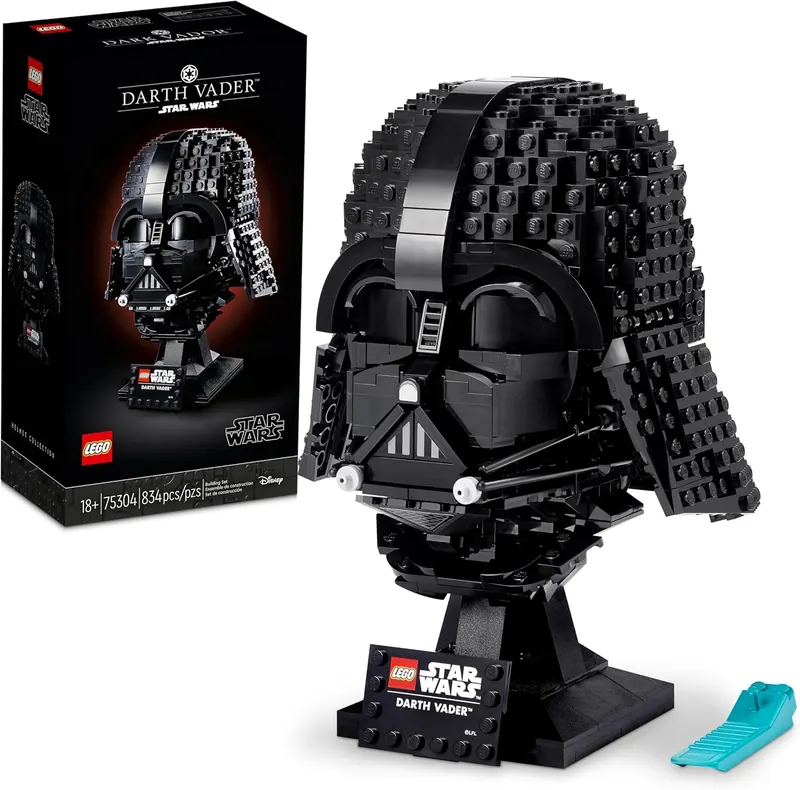
| Darth Vader | Dutch / Low German | "Darth" is Lucas's dark-lord title (a fusion of "dark" and "death"); "Vader" is literally Dutch for "father," hiding the saga's twist in plain sight. Build your own Sith Lord with the Darth and Sith name generator. |
| Anakin Skywalker | Hebrew (biblical) | "Anakin" echoes the Anakim, a race of giants in the Book of Numbers — a chosen one whose destiny outgrows him. |
| Yoda | Sanskrit / Hebrew | Linked to Sanskrit yoddha ("warrior") and Hebrew yodea ("one who knows") — a 900-year-old warrior-sage in two syllables. Try the Jedi Master name generator for similar soft-syllable masters. |
| Obi-Wan Kenobi | Japanese | "Obi" is the sash worn with a kimono; "Kenobi" evokes samurai phonetics — a direct nod to Kurosawa's wandering warrior-monks. |
| Padmé Amidala | Sanskrit + Lucas coinage | "Padmé" means "lotus" in Sanskrit (spiritual purity); "Amidala" is a Lucas-coined regnal name suggesting royalty and grace. |
| Palpatine / Sidious | Latin | "Palpatine" evokes Latin palpitare ("to throb, tremble"); "Sidious" is a hair's breadth from insidious — the villain named after his tactic. Generate similar Sith Lord titles with the Sith name generator. |
| Chewbacca | Russian / Cyrillic | Adapted from the Russian sobaka ("dog") — the loyal, growling companion, right there in the name. |
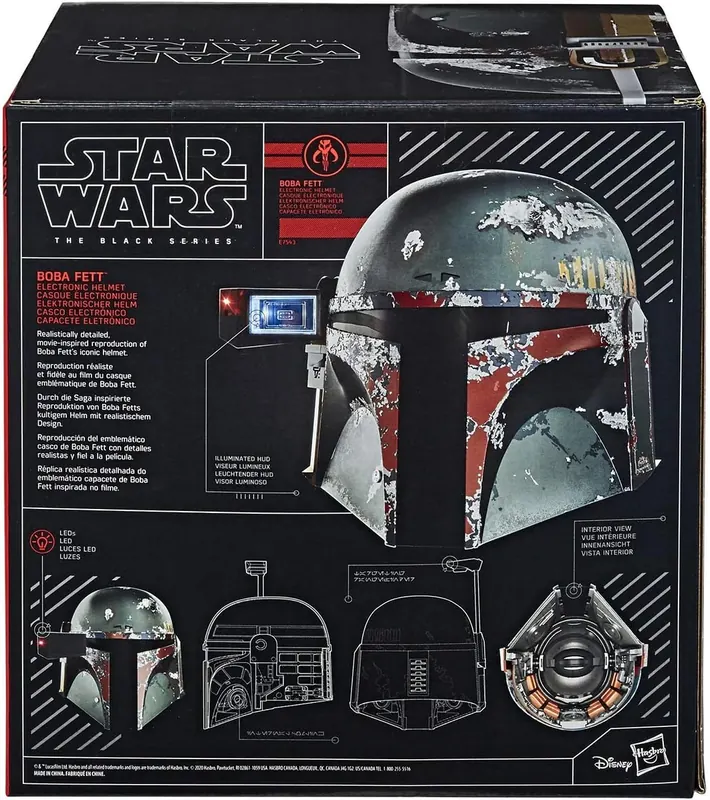
| Boba Fett | Lucas coinage | Named by sound designer Ben Burtt; the hard B and clipped syllables telegraph a cold, professional bounty hunter. |
| Mace Windu | English weapon + Lucas coinage | "Mace" is a bludgeoning weapon (fitting a warrior Jedi); "Windu" is a Lucas coinage with a soft, meditative cadence. |
| Ahsoka Tano | Sanskrit / Japanese | "Ahsoka" echoes the Indian emperor Ashoka ("without sorrow"); "Tano" has Japanese phonetics fitting her Togruta warrior arc. |
| Rey | Spanish / Old English | Spanish for "king" (gender-flipped for a female hero) and Old English for "counsel" — a single-syllable name of quiet authority. |
| Kylo Ren | Lucas coinage | "Kylo" combines the K and L of "Skywalker" and "Solo" — his heritage encoded in the name; "Ren" borrows from Japanese aesthetics. |
| Finn | Irish / Gaelic | Gaelic for "fair, white" — echoing the mythic warrior Fionn mac Cumhaill, chosen by a Stormtrooper reclaiming his identity. |
| Poe Dameron | Literary tribute | A nod to Edgar Allan Poe (romantic, doomed) softened by "Dameron" — a charismatic pilot with poet's cadence. |
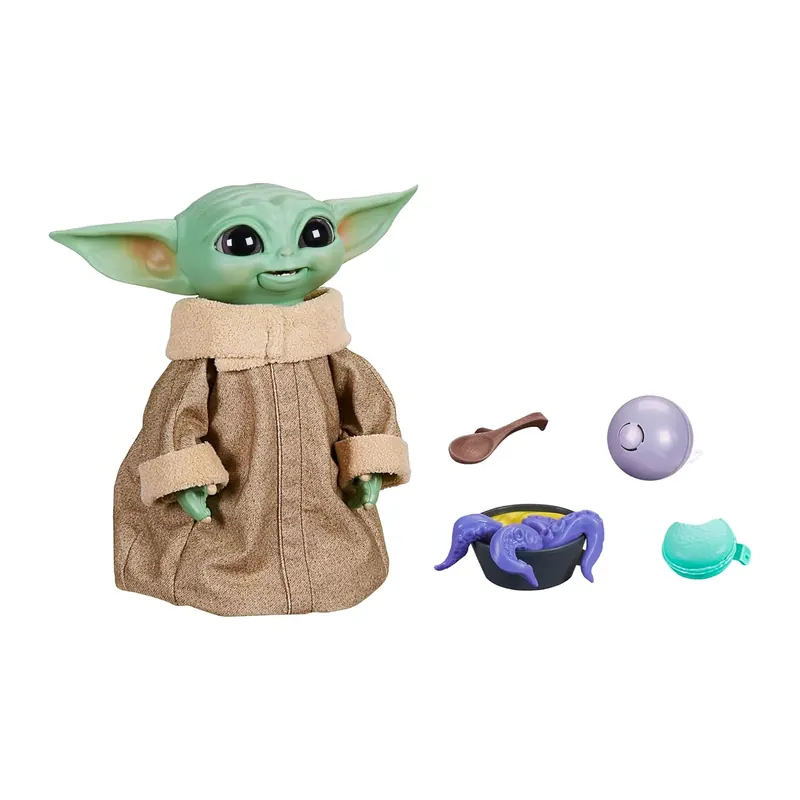
| Grogu | Lucasfilm coinage | Coined by Jon Favreau and Dave Filoni; two guttural syllables that sound alien yet toddler-soft — the character in a word. |
| Din Djarin | Arabic-inspired | "Din" is Arabic for "faith/religion"; "Djarin" echoes desert-nomad phonetics — a Mandalorian defined by creed. Create your own clan name with the Mandalorian name generator. |
| Cassian Andor | Latin | "Cassian" derives from Latin cassianus ("empty, hollow") — a spy who empties himself for the Rebellion. Pair with a homeworld from the Star Wars planet name generator. |
Every entry above follows the same rule the rest of this guide unpacks: sound first, meaning second, faction and species phonetics always. Want to apply these rules yourself? Try our Jedi name generator for light-side heroes, the Sith and Darth name generator for dark-side villains, the Mandalorian name generator for warrior-clan names like Din Djarin, or the Star Wars planet name generator for worlds to set them on.
Editor's note: Hand-picked to pair with our lore guide — collectibles loved by fans.
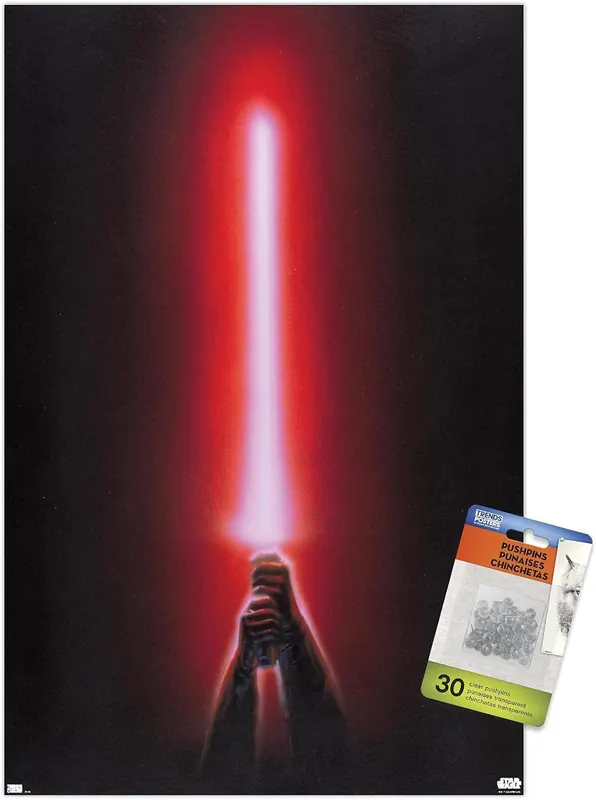
Star Wars Original Trilogy — Red Lightsaber Wall Poster
Top RatedIconic Original Trilogy red lightsaber wall poster with included pushpins. Premium print, ready to hang.
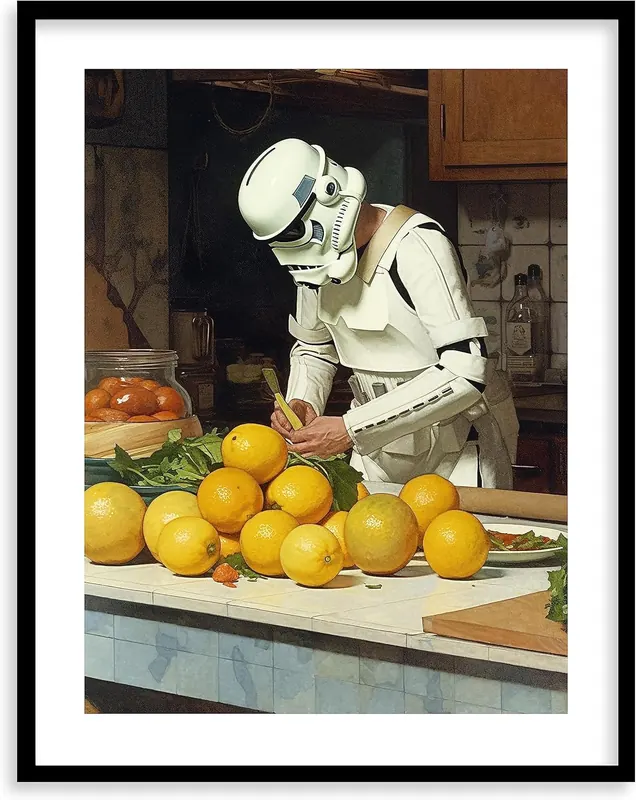
Star Wars Kitchen Art Prints (Vader, Boba Fett, Yoda Set)
Limited OfferSet of three vintage-style framed kitchen art prints featuring Vader, Boba Fett, and Yoda in painterly culinary scenes.
Affiliate links · As an Amazon Associate we earn from qualifying purchases
The Origins of Iconic Names: George Lucas's Vision
Creating great Star Wars character names means understanding the system behind them. George Lucas didn't pick names at random — he built a set of phonetic and cultural conventions that every writer, game master and fan creator can learn and apply. Whether you need names for star wars characters in an RPG campaign, want to understand the star wars name formula that separates heroes from villains, or are building an original story in the galaxy, this guide breaks down the complete Star Wars naming conventions — faction by faction, species by species, era by era.
The naming of Star Wars characters is a masterclass in creative worldbuilding. From the heroic simplicity of "Luke Skywalker" to the sinister whisper of "Darth Sidious," every name serves a purpose. Below we cover how to name a star wars character the way Lucas, Filoni and the Lucasfilm Story Group actually do it — starting with the documented creative process, the era-by-era conventions, the famous character nicknames, and a practical species/role reference you can use today.
The Lucas Philosophy: Familiar Yet Exotic
The Balance Principle
Lucas's primary naming philosophy involved balancing the familiar with the exotic. Names needed to:
Be pronounceable by international audiences:
Star Wars was designed as a global phenomenon. Names couldn't be so exotic that audiences in different countries struggled with them.
Feel appropriately alien:
Editor's note: Hand-picked to pair with our lore guide — collectibles loved by fans.

Grogu Sculpted Ceramic Mug (20oz)
Officially licensed 20oz sculpted ceramic mug shaped like Grogu — perfect for caf or tea.
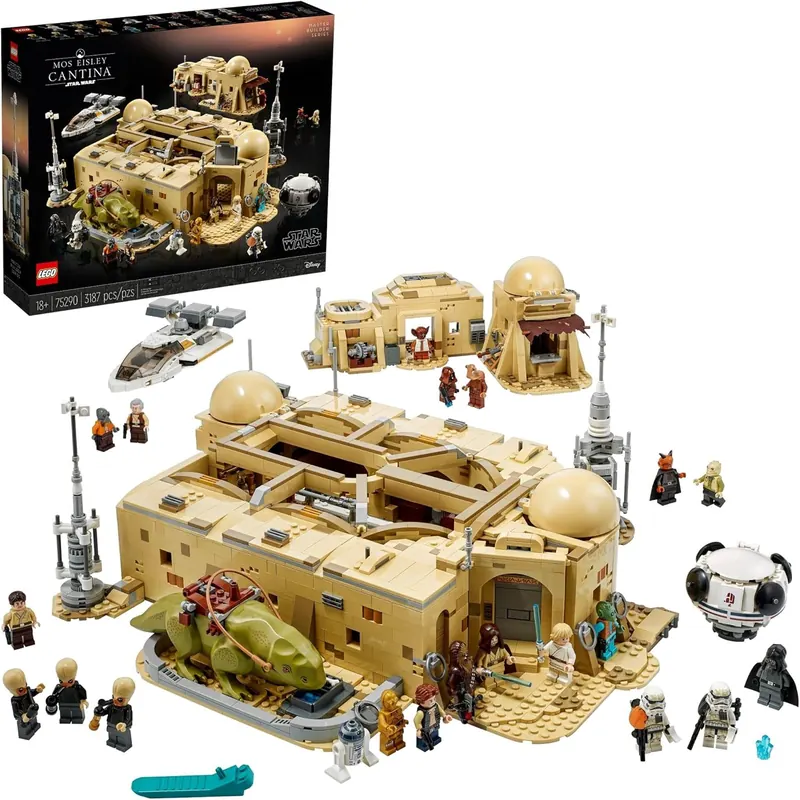
LEGO Mos Eisley Cantina
Fan Favorite3,187-piece Master Builder set with 21 minifigures — recreate the iconic cantina scene.
Affiliate links · As an Amazon Associate we earn from qualifying purchases
Despite being pronounceable, names needed to feel like they belonged to a galaxy far, far away.
Carry meaning:
Whether obvious or subtle, names should tell us something about the character.
The Skywalker Example
Consider "Luke Skywalker"—arguably the most important name in the saga:
"Luke":
- Simple, approachable, everyman quality
- Biblical origin (Luke the Evangelist)
- Common enough to be relatable
- Suggests "light" (Latin: lux)
"Skywalker":
- Immediately mythic and heroic
- Suggests transcendence, destiny
- References shamanic "sky walking" traditions
- Foreshadows his Jedi journey
Together, the name creates a character who is both ordinary and extraordinary—exactly what the hero's journey requires.
The Vader Revelation
"Darth Vader" demonstrates Lucas's linguistic layering:
"Darth":
- Sounds like "dark" or "death"
- Creates the "Dark Lord" feeling
- Becomes a title, not just a name
"Vader":
- Resembles "invader" (threatening)
- Dutch word for "father" (foreshadowing)
- Harsh sounds create menace
The name works on multiple levels—immediately threatening, mythically significant, and secretly hinting at the saga's greatest twist.
How Did George Lucas Come Up With Star Wars Names? The Complete Creative Process {#how-did-george-lucas-come-up-with-star-wars-names}
If you've ever wondered where do star wars names come from, the documented answer is more disciplined than fans expect. George Lucas's naming process followed a consistent five-stage method across every draft of the original trilogy, and Lucasfilm's surviving production journals make it possible to reconstruct it almost step by step.
Stage 1 — Sound first, meaning second. Lucas's stated rule was to invent or modify a name until it felt right phonetically, then research what it could plausibly mean. "Yoda," "Vader" and "Han" all entered the script as sounds; their etymologies (Sanskrit yoddha, Dutch vader, Chinese han) were noted afterwards.
</strong> The early drafts of The Star Wars show how aggressively Lucas revised. The protagonist evolves through "Annikin Starkiller" → "Luke Starkiller" → "Luke Skywalker" across visible script revisions in 1974–75. The villain shifts from a generic Imperial general into Darth Vader only late in the rewrites.
This is the single most useful answer to how did george lucas come up with star wars names: he didn't get them right the first time — he iterated until the sound matched the destiny.
Stage 3 — Borrow from world mythology, deliberately. Lucas was reading Joseph Campbell's The Hero with a Thousand Faces while writing, and Campbell pointed him toward Sanskrit, Greek, Hebrew, Arabic and Norse traditions. This is why a single film contains Padmé (Sanskrit), Leia (Hebrew/Greek), Anakin (echoing the biblical Anakim) and Han (Chinese/Korean) without feeling tonally inconsistent — the unifying logic is mythological, not geographic.
Stage 4 — Improvise from the production floor. Some names were genuinely accidental. The word "Wookiee" was reportedly ad-libbed on the set of Lucas's earlier film THX 1138 ("I think I just ran over a Wookiee") and absorbed into Star Wars later. Chewbacca was named to fit the species sound rather than the other way around.
Stage 5 — Hand the system to collaborators. The star wars name origin story didn't end with Lucas. Dave Filoni (Ahsoka, Hera, Sabine, Kanan), Pablo Hidalgo and the Lucasfilm Story Group now apply the same five stages to every new character. The High Republic authors run drafts through the Story Group precisely so that how george lucas named characters remains the working method, not a historical curiosity.
The takeaway for your own creative work: don't start with a meaning and look for a sound. Start with a sound, iterate, then let the meaning catch up.
Real-World Influences: A Linguistic Tapestry
Mythology and Religion
Star Wars names draw heavily from world mythology and religious traditions:
Anakin (Biblical)
Similar to "Anakim," the biblical race of giants. This connection foreshadows Anakin's role as the Chosen One—a being of unusual power and significance.
Padmé (Sanskrit)
Means "lotus flower" in Sanskrit. The lotus symbolizes purity rising from muddy waters, beauty, and spiritual awakening—perfect for a character who represents hope in dark times.
Qui-Gon (Eastern Philosophy)
Echoes "chi" (life force) and "gone" (suggesting transition). Qui-Gon is the character most connected to the Living Force, and his name reflects this spiritual focus.
Jinn (Arabian Mythology)
Qui-Gon's surname references the djinn—supernatural beings of Arabian mythology with mystical powers.
World Languages
Lucas and subsequent Star Wars creators drew from numerous languages:
Dutch:
- Vader = "father" (the famous twist)
- Suggests Germanic strength
Latin:
- Sidious = like "insidious" (treacherous)
- Plagueis = like "plague" (disease, death)
- Tyranus = like "tyrant" (oppressor)
Japanese:
- Dooku = related to "doku" (poison/alone)
- Reflects Count Dooku's isolated, toxic nature
Hebrew:
- Anakin = echoes "Anakim" (giants)
- Leia = "weary" or "mistress"
Sanskrit:
- Padmé = "lotus"
- Connections to spiritual traditions
Celtic:
- Various name sounds and structures
- Mythological hero connections
Historical References
Real history influenced many names:
Tarkin:
Echoes authoritarian historical figures. Grand Moff Tarkin embodies fascist leadership, and his name sounds appropriately commanding and cold.
Palpatine:
Suggests "paladin" (knight, champion) corrupted. The Emperor presents himself as a protector while secretly destroying freedom—a paladin fallen to darkness.
Organa:
Suggests "organic," "origin," or "organization." The Organa family represents the organized resistance and organic (natural, good) opposition to the Empire.
Phonetic Patterns That Work: The Science of Sound
Sound Symbolism
Linguistic research shows that certain sounds carry emotional associations. Star Wars uses this brilliantly:
Hard consonants for villains:
- Tarkin, Grievous, Snoke, Krennic
- Sounds aggressive, threatening
- Creates subconscious unease
Soft consonants for heroes:
- Leia, Padmé, Ahsoka, Luke
- Sounds peaceful, trustworthy
- Creates subconscious comfort
Guttural sounds for aliens:
- Chewbacca, Jabba, Greedo
- Sounds otherworldly
- Creates species distinctiveness
The Sibilant Effect
'S' sounds carry particular power in Star Wars:
For villains (hissing, serpentine):
- Sidious, Snoke, Savage
- Suggests deception, danger
- Snake-like associations
For mystery (whispers):
- Skywalker, Syndulla
- Suggests secrets, destiny
- Wind-like associations
The Two-Part Name Convention
Many memorable Star Wars names follow a two-part structure:
Structure:
- First name: Personal identity
- Second name: Heritage, clan, or destiny
Function:
- Creates rhythm and memorability
- Allows for both nickname and formal address
- Provides worldbuilding opportunity
Examples:
- Obi-Wan Kenobi (spiritual + mysterious)
- Qui-Gon Jinn (Eastern philosophy + Arabian mythology)
- Mace Windu (strength + natural force)
- Han Solo (short, roguish + literally "alone")
- Lando Calrissian (smooth + exotic)
In-Universe Naming Traditions: Galactic Culture
Human Naming Conventions
Within the Star Wars galaxy, human naming varies by region:
Elegant, multi-syllabic names reflecting sophisticated cultures. Senators and nobles have elaborate names.
Outer Rim:
Shorter, more practical names reflecting frontier life. Farmers and smugglers have simpler names.
Military:
Often use abbreviated names or nicknames. Clone troopers creating individual names is a powerful story element.
Jedi Naming
The Jedi Order has its own traditions:
Youngling Names:
Children brought to the Temple may keep their names or receive new ones, depending on their origin.
Master-Padawan Traditions:
Some naming elements may pass between master and apprentice in certain lineages.
Single Name Adoption:
Some Jedi become known by single names (Yoda, Mace) as they transcend personal identity.
Sith Tradition
The Sith naming ceremony is a dark rebirth:
Name Death:
The Sith abandons their birth name entirely, symbolizing death of the former self.
Darth Bestowal:
The master gives the apprentice a new name reflecting their dark side nature or destiny.
Meaning in Darkness:
Sith names often contain hidden meanings about power, death, or corruption.
Faction-Specific Naming: Creating Distinction
Rebel Alliance
Rebel names often reflect:
- Hope and resistance (Syndulla, Andor)
- Ordinary origins (Jyn, Cassian)
- Multicultural galaxy (diverse sounds)
Galactic Empire
Imperial names suggest:
- Authority and control (Tarkin, Thrawn)
- Germanic/British military sounds
- Cold efficiency
First Order
The successor to the Empire:
- Breaking from tradition (Kylo Ren)
- New identity (Phasma, Hux)
- Stormtrooper designations (FN-2187)
Resistance
The spiritual successor to the Rebellion:
- Legacy connections (Organa, Dameron)
- New hope (Finn, Rose)
- Pilot callsigns and nicknames
Creating Your Own Legendary Names: A Practical Guide
Step 1: Define Character Purpose
What role does your character play?
- Hero: Approachable, meaningful names
- Villain: Threatening, powerful sounds
- Mentor: Wise, otherworldly names
- Rogue: Charming, roguish sounds
- Warrior: Strong, martial names
Step 2: Choose Cultural Inspiration
Draw from real-world sources:
- Latin for classical, timeless feeling
- Sanskrit for spiritual depth
- Japanese for warrior honor
- Celtic for mythological connection
- Arabic for mystical quality
Step 3: Apply Sound Symbolism
Match sounds to character nature:
- Soft sounds for light side
- Hard sounds for dark side
- Mixed sounds for complex characters
Step 4: Consider Speakability
Test your name:
- Say it aloud three times quickly
- Imagine a child playing pretend with this name
- Consider how it works in different languages
Step 5: Check for Hidden Meanings
Ensure no unintended associations:
- Research any real-world meanings
- Consider how it sounds in major languages
- Avoid accidental humor or offense
Star Wars Naming Conventions by Era: How Names Changed Across the Saga {#star-wars-naming-conventions}
Star Wars naming conventions are not a single ruleset — they evolved era by era, and matching a character's name to their birth era is the single biggest authenticity move you can make. The same character would be named differently if born during the High Republic versus the New Republic, and the saga's writers have been deliberate about this for nearly 50 years.
Below is the full era-by-era breakdown, expanded from the bullet timeline that used to live here.
Old Republic / High Republic Era (~25,000 BBY – 100 BBY)
</strong> Names from this era feel ceremonial and slightly antique on the ear, because they're meant to. The High Republic authors (Charles Soule, Justina Ireland, Cavan Scott, Claudia Gray) consciously echo Roman and medieval phonetics to suggest the Jedi Order at its most institutional. Examples: Marchion Ro, Loden Greatstorm, Orla Jareni, Avar Kriss, Stellan Gios, Bell Zettifar, Burryaga Agaburry.
Sith Lords from the same era — Darth Revan, Darth Bane, Darth Malgus, Darth Nihilus — pull from the same Latin well but invert the warmth. See our Sith names guide for the full Darth naming tradition.
Prequel Era (32 BBY – 19 BBY, films 1999–2005)
Naming philosophy: Politically sophisticated, multi-syllabic, culturally diverse. Lucas opened the galaxy out and the names followed — diplomatic full names, regnal forms, alien syllables that suggest senate seats more than swordfights. Examples: Qui-Gon Jinn, Mace Windu, Padmé Amidala (with birth name Naberrie), Sheev Palpatine, Nute Gunray, Wat Tambor. The two-part name convention dominates here; even the Sith get formal titles (Darth Tyranus, Darth Sidious).
Clone Wars Era (22 BBY – 19 BBY, animated 2008–2020)
Naming philosophy: Chosen names, claimed identity, deeper alien cultures. The defining naming innovation of this era is clone trooper individuality — Rex, Fives, Echo, Hardcase, Wolffe, Cody, Hunter, Wrecker, Tech, Crosshair. Each name is a small act of resistance against a system that issued numbers. See our dedicated Clone trooper names guide. Alien naming also deepens here: Ahsoka Tano, Hondo Ohnaka, Cad Bane, Asajj Ventress.
Original Trilogy Era (1977–1983, in-universe ~3 BBY – 4 ABY)
Naming philosophy: Mythically simple, fairy-tale accessible. The names you say out loud without thinking. Luke, Han, Leia, Ben, Yoda, Vader. Single syllables and clear hero/villain distinction were a 1970s blockbuster necessity, but they also set the saga's emotional baseline — anything more elaborate later still feels rooted because these names came first.
Sequel Era (34–35 ABY, films 2015–2019)
Naming philosophy: Return to simplicity + legacy. Rey, Finn, Poe, Rose, Ben Solo. Mononyms (Rey, Snoke) carry deliberate mystery. Legacy names (Ben Solo) carry inherited weight. Finn — chosen by Poe to replace FN-2187 — is the most narratively loaded renaming since the prequel-era Sith.
Mandalorian / Disney+ Era (9 ABY onward, 2019–present)
Naming philosophy: Deep clan lore, found-family nicknames, deep cuts. Din Djarin, Bo-Katan Kryze, Paz Vizsla, Grogu, Cassian Andor, Bix Caleen, Luthen Rael. The Mandalorian clan-surname structure (Djarin, Kryze, Vizsla, Wren) finally moves from background lore to centre stage — covered fully in our Mandalorian names guide. Found-family nicknames also become a defining mode in this era ("Mando," "Kid").
Era Comparison Table
| Era | Naming Style | Example Names | Key Pattern |
|---|---|---|---|
| Old/High Republic | Archaic, Latin-rooted, formal | Marchion Ro, Avar Kriss, Darth Revan | Two-part formal; ancient honorifics |
| Prequel | Multi-syllabic, political | Qui-Gon Jinn, Padmé Amidala, Sheev Palpatine | Birth name + regnal/title |
| Clone Wars | Chosen names, expanded alien | Rex, Fives, Ahsoka Tano, Hondo Ohnaka | Self-given identity |
| Original Trilogy | Simple, mythic | Luke, Han, Leia, Vader, Yoda | Single-syllable accessibility |
| Sequel | Simple + legacy | Rey, Finn, Poe, Ben Solo | Mononyms + inherited names |
| Mandalorian / Disney+ | Clan lore + nicknames | Din Djarin, Bo-Katan Kryze, Grogu | Clan surname + found-family alias |
When you build your own character, decide their birth era before their name. A Jedi born in the High Republic should not sound like one born in the Sequel era — and matching the era's phonetic register is what separates a name that "feels Star Wars" from one that just is.
Common Mistakes to Avoid
Earth-Sounding Names
"John Smith" breaks immersion completely. Even familiar-sounding names need exotic twists.
Unpronounceable Combinations
"Xzylthroquinax" may look alien but is impossible to use in dialogue or roleplay.
Copying Canon Exactly
"Luke Skywalker Jr." shows lack of creativity. Use canon as inspiration, not template.
Joke Names
"Darth Serious" or "Obi-Two Kenobi" break immersion. Save humor for nicknames, not character names.
Ignoring Species
A Wookiee named "Steve" or a Twi'lek named "Johnson" violates established conventions.
Mismatched Sounds
A peaceful healer named "Darth Rageblood" creates cognitive dissonance.
Star Wars Naming Conventions: A Quick-Reference Guide
Understanding Star Wars naming conventions across factions and species is essential for anyone building characters. Here's a definitive breakdown:
By Faction
| Faction | Phonetic Style | Example Names | Key Features |
|---|---|---|---|
| Jedi Order | Soft,flowing,musical | Obi-Wan Kenobi, Ahsoka Tano | L, M, N, W consonants; open vowels |
| Sith Order | Harsh,threatening | Darth Vader, Darth Sidious | Hard consonants; "Darth" title; dark meanings |
| Galactic Empire | Clipped,authoritarian | Tarkin, Thrawn, Krennic | Germanic/British military sounds |
| Rebel Alliance | Diverse,multicultural | Syndulla, Andor, Erso | Reflects galactic diversity |
| Mandalorians | Warrior-clanstructure | Vizsla, Wren, Kryze | Clan surnames; martial sounds |
By Species
- Humans: Most flexible; Core World (elegant) vs. Outer Rim (rugged)
- Twi'leks: Apostrophe-separated clan names (Hera Syndulla)
- Chiss: Core name system with formal full names (Mitth'raw'nuruodo → Thrawn)
- Wookiees: Guttural, growling sounds (Chewbacca, Tarfful)
- Zabraks: Sharp, aggressive sounds reflecting warrior culture
By Era
Each Star Wars era carries distinct naming trends — Old Republic names sound archaic and formal, Prequel-era names feel politically sophisticated, Original Trilogy names are mythically simple, and Sequel-era names return to modern accessibility. Matching your character's name to their era strengthens authenticity.
Star Wars Character Nicknames: The Galaxy's Best Aliases {#star-wars-character-nicknames}
Star Wars character nicknames are one of the saga's quietest character-building tools. Across nine films, dozens of series and thousands of pages of novels, a nickname almost always signals one of four things — affection, operational secrecy, self-claimed identity or earned reputation — and learning to read which is which is what separates fan-fiction-grade dialogue from canon-grade dialogue.
Affectionate / companion nicknames. Han Solo calls Chewbacca "Chewie" because shortening Shyriiwook is impossible — but also because they're brothers. Artoo and Threepio phoneticise R2-D2 and C-3PO into something a friend would actually say. The most loaded affectionate pairing in the saga is Snips (what Anakin calls Ahsoka) and Skyguy (what she calls him back). The nicknames are the relationship.
Earned callsigns and titles. Obi-Wan becomes "The Negotiator". Anakin becomes "The Hero With No Fear". Various pilots become "Rogue Leader". Ahsoka's Rebel handle is "Fulcrum". These are star wars character aliases earned in the field, and they outlast the missions that produced them.
Clone trooper self-chosen names. The single most meaningful naming tradition in modern canon — clones who were issued numbers chose names for themselves: Rex (CT-7567), Fives, Echo, Hardcase, Wolffe, Cody, Hunter, Wrecker, Tech, Crosshair. Each one is individuality claimed against a system designed to deny it. Our Clone trooper names guide goes deeper.
Villain epithets. The dark side renames itself constantly. "The Emperor", "The Inquisitor", "The Client", "Snoke" as a chosen mononym, "Lord Vader" instead of "Anakin" — every Sith promotion is a renaming, the Darth honorific being the most extreme example. See our Sith names guide for the full Darth tradition.
| Character | Full Name | Nickname | Given By | Context |
|---|---|---|---|---|
| Chewbacca | Chewbacca | Chewie | Han Solo | Affection / pronounceability |
| R2-D2 | R2-D2 | Artoo | Luke, Anakin | Daily phoneticisation |
| C-3PO | C-3PO | Threepio / Goldenrod | Han, Luke | Companionship / teasing |
| Ahsoka Tano | Ahsoka Tano | Snips | Anakin only | Mentor affection |
| Anakin Skywalker | Anakin | Skyguy | Ahsoka | Reciprocal teasing |
| CT-7567 | Rex | Rex | Self-chosen | Clone identity |
| FN-2187 | Finn | Finn | Poe Dameron | Liberation from designation |
| Ahsoka (Rebellion) | Ahsoka | Fulcrum | Rebel cell | Operational codename |
| Wedge Antilles | Wedge | Rogue Leader | Rogue Squadron | Earned callsign |
| Obi-Wan Kenobi | Obi-Wan | The Negotiator / Ben | Clone Wars / Luke | Reputation / hiding |
| Din Djarin | Din Djarin | Mando | Outsiders | Cultural shorthand |
| Anakin Skywalker | Anakin | The Hero With No Fear | Republic propaganda | Wartime reputation |
| Cassian Andor | Cassian | Various aliases | Rebel intelligence | Operational secrecy |
| Maul | Maul | Crimson Dawn | Syndicate | Self-given empire title |
| Luke Skywalker | Luke | Red Five | Rogue Squadron | Pilot callsign |
| Boba Fett | Boba | Fett | Bounty hunter circles | Surname-as-nickname |
If you want canon-grade star wars characters nicknames for your own characters, decide first which of the four categories applies — affection, operation, self-claim or reputation — and the form writes itself. Our Star Wars character name generator can suggest a full name and a likely shortened nickname together, so you start with both halves of the relationship already in place.
Author Pseudonym Star Wars Character Name: Writing Under a Galaxy Far, Far Away {#author-pseudonym-star-wars-character-name}
A surprisingly common use case for this guide is writers searching for an author pseudonym Star Wars character name — a pen name that feels Star Wars-inspired without crossing into copyright territory. Pen names live by different rules than RPG names: they need to look right on a book cover, sound right on a podcast intro, and survive being googled. Here's how to build one properly.
</strong> A star wars inspired pen name has to (1) be pronounceable on first sight by a real reader, (2) suggest genre — sci-fi, adventure, mythic — without screaming "I copied this from Lucasfilm," (3) avoid actual canonical names entirely (using "Solo" or "Skywalker" as a surname is a copyright headache nobody needs), and (4) survive a domain and social handle search.
The two-part Star Wars name structure is unusually well-suited to bylines: short given name, slightly more elaborate surname, neither word more than two syllables.
Step-by-step process for a Star Wars-style pen name:
- Choose a first name using genre-appropriate phonetics. Soft openers (L, R, S) project literary or hopeful tones; hard openers (K, V, T) project thriller or sci-fi grit.
- Choose a surname using faction conventions. Jedi-inspired surnames flow (-ann, -or, -elen); Imperial-inspired surnames clip (-ax, -us, -arn); Outer Rim surnames are short and consonant-heavy (Voss, Thane, Solus).
- Test it as a real byline. Say the sentence "Written by [Name]" out loud. If it lands cleanly without explanation, it works.
- Check the digital footprint. Confirm the .com, the social handles, and the absence of any famous person already using it.
Star Wars convention-inspired pen name examples (none are canon characters): Kael Voss (hard K, short surname — thriller register), Lira Thane (soft L opener, Mandalorian-style surname), Daren Solus (Outer Rim feel), Mira Calenn (Jedi-flowing), Joren Vask (Imperial clip), Sela Ryn (sequel-era simplicity), Cassen Orr (echoes Cassian without copying), Vaela Mond (High Republic formality), Toren Hask (smuggler grit), Iyla Renn (mononymic potential), Aren Castel (Core World aristocracy), Kira Vossen (genre-flexible).
For instant pen-name candidates that obey these rules, our Star Wars character name generator can be set to "Heroic" or "Noble" presets and run as a pen name generator star wars writers can actually publish under.
Long Star Wars Character Names: Multi-Syllabic and Formal Names in the Galaxy {#long-star-wars-character-names}
A long Star Wars character name is never just a longer string of syllables — it carries a specific narrative job. In canon, elaborate multi-part names appear in four predictable contexts, and recognising them is the key to writing your own without it feeling padded.
Core World aristocracy and Senate families. The most famous example is Padmé Naberrie Amidala — birth name (Naberrie), given name (Padmé), regnal name (Amidala). Sheev Palpatine drops a Naboo political family surname onto a deliberately mundane first name. Mon Mothma, Bail Prestor Organa, Riyo Chuchi — Senate-era names tend to be dignified, multi-syllabic and built to fit on a Senate podium.
Chiss naming — the most complex system in canon. Thrawn's full name, Mitth'raw'nuruodo, is the textbook example of star wars long names. The structure is three-part: family name (Mitth) + core/personal name (raw) + merit-adoptive line (nuruodo), separated by apostrophes. Outsiders use the contracted middle (Thrawn); Chiss peers use the full form. Our Chiss names guide breaks this down in detail.
High Republic Jedi. The High Republic era leaned into longer, more formal Jedi names than the films ever did: Stellan Gios, Elzar Mann, Avar Kriss, Burryaga Agaburry, Loden Greatstorm. These names project institutional weight — the Jedi Order at its peak, not its twilight.
Religious and ceremonial contexts. Even normally-short names swell formally in ritual: "Anakin Skywalker, Knight of the Galactic Republic" or "Padawan Ahsoka Tano of the Jedi Order." The longer the title, the higher the stakes.
| Full Formal Name | Everyday Form | Used By |
|---|---|---|
| Mitth'raw'nuruodo | Thrawn | Outsiders / Imperials |
| Padmé Naberrie Amidala | Padmé / Senator Amidala | Family / Senate |
| Sheev Palpatine | Palpatine / The Emperor | Public / Underlings |
| Bail Prestor Organa | Bail Organa | Senate |
| Burryaga Agaburry | Burryaga | Fellow Jedi |
| Obi-Wan Kenobi | Obi-Wan / Ben | Allies / Hiding |
| Din Djarin | Mando / Djarin | Outsiders / Mandalorians |
Formula for building your own long, formal Star Wars character name: pick the species convention first (Chiss = three-part apostrophes; Naboo = birth + regnal; Mandalorian = clan + personal; High Republic Jedi = two flowing parts), then choose an everyday short form that appears alongside it. Long formal names signal status and ceremony; short forms signal intimacy. The contrast between the two does most of the storytelling.
Names for Star Wars Characters: A Practical Reference by Species and Role {#names-for-star-wars-characters}
If you came here to name a Star Wars character in the next ten minutes — for an RPG, a fan-fiction draft, an SWTOR alt or a tabletop campaign — this section is the practical reference. Theory above; usable names below, organised by species and by role so you can jump straight to your case.
By Species
- Human (Core World): Elegant, multi-syllabic, vaguely European. Try: Aldric Vellanor, Riena Castell, Doran Aetherly, Mira Halestrom, Cassen Orran, Lyra Vondis, Theron Mossvane, Selene Calaeris, Kaelos Halban, Vyrra Norane.
- Human (Outer Rim): Short, rugged, consonant-led. Try: Jak Thorne, Riv Solus, Bex Krell, Mara Voss, Tane Dax, Wren Halric, Cole Skarn, Nyx Renn, Hale Voryn, Brak Tessaro.
- <a href="/blog/twilek-names">Twi'lek</a>: Apostrophes, soft vowels, clan tail. Try: Lira'Sann, Hera'Vos, Aalyn'Tu, Mira'Vesh, Sefa'Lonn, Talli'Surr, Nyssa'Ryl, Vaela'Doon, Suri'Kell, Aanu'Vra.
- <a href="/blog/zabrak-names-guide">Zabrak</a>: Sharp, percussive, two short syllables. Try: Karn Vex, Daro Skadd, Mira Voth, Krax Talon, Vrenn Sorr, Nyrra Drex, Kel Vassk, Skadrik Vorn, Rann Kelv, Voss Khar.
- <a href="/blog/chiss-names">Chiss</a>: Three-part formal + short outsider name. Try: Mitth'aro'novak (Aron), Csap'iri'thandos (Iri), Inrokini'sek'vaaro (Sekva), Vorn'kel'ranissi (Kelra), Ufsa'mor'venath (Morv), Nuru'da'lasari (Nuru), Plikh'sii'corosa (Siko), Irizi'tann'eldros (Tannel), Mitth'vor'sandari (Vorsa), Csap'lyn'nethorrin (Lynne).
- Mirialan: Soft, lyrical, often two flowing syllables. Try: Ailen Voth, Mira Surak, Talin Veshara, Riala Soresh, Davren Tuum, Selan Mourra, Oora Veliss, Dalan Soriss, Yarra Pelan, Kayleth Suun.
- <a href="/blog/togruta-names-guide">Togruta</a>: Open vowels, doubled consonants, tribal feel. Try: Shaala Tirr, Korro Tan, Ashka Marr, Vellis Korr, Tasso Vinn, Maari Akko, Rellos Vann, Shoba Rell, Dakka Vorr, Ilanna Tu.
- Rodian: Hard consonants, snake-slip vowels. Try: Greevo Sazz, Vekko Drann, Slaaro Tek, Kessa Vox, Drekko Vask, Plurri Tann, Sniko Vekk, Massa Trell, Kreedo Vass, Twiss Korro.
By Role
- Bounty hunter: short, hard-consonant, often single-syllable surname. Bex Krell, Vrenn Sorr, Daro Skadd. See our bounty hunter names guide.
- Senator / Noble: multi-syllabic, regnal-style. Riena Castell, Bail-style "Aldric Vellanor."
- Jedi Knight: flowing, two-part, soft consonants. Talin Veshara, Mira Surak. See our Jedi names guide.
- Sith Lord / Darth name: Latin or Old English root + harsh consonants + Darth title. Darth Velus, Darth Korran, Darth Veska. See our Sith names guide.
- Smuggler / Scoundrel: Outer Rim shortform + nickname potential. Jak "Six" Thorne, Riv "Patch" Solus.
- Mandalorian: personal name + clan surname. Try: Tarn Vizsla, Sela Wren, Karro Kryze, Mira Djarin. See our Mandalorian names guide.
Before You Finalise Your Star Wars Character Name — 5-Point Checklist
- Does it match the species phonetic convention?
- Does it match the era the character was born in?
- Does the sound match the alignment (soft = light, hard = dark)?
- Can you say it out loud in a sentence without stumbling?
- Is there a natural shortened form or nickname companions could use?
If all five answers are yes, you have a name that holds up in canon. If you'd rather skip the manual work, the Star Wars character name generator above runs this exact checklist on every result — pick faction, species and era, and it returns names that already pass all five tests.
Use Our Star Wars Character Creator
Ready to build your own character? Our free Star Wars character creator combines all the naming conventions in this guide into an easy-to-use tool:
- Pick your faction – Jedi, Sith, Imperial, Rebel, Mandalorian, or neutral
- Select a species – Each species activates unique phonetic algorithms
- Choose a style – Heroic, Dark, Noble, Rugged, or Exotic presets
- Generate and compare – Batch-create up to 20 names side by side
- Save your favorites – Export names for SWTOR, tabletop RPGs, or creative writing
Whether you're naming a Sith Lord, a Jedi Knight, a bounty hunter, or a Clone Trooper, the generator applies authentic Star Wars naming rules to produce results that feel canon-worthy.
Conclusion: The Art of the Perfect Name
The art of naming in Star Wars teaches us that great names are never arbitrary. They're carefully crafted tools of storytelling that enhance our connection to characters and the galaxy they inhabit. Every truly memorable Star Wars name balances:
- Accessibility and exoticism
- Meaning and mystery
- Sound and significance
- Individual identity and cultural context
Whether you're creating characters for games, stories, or simply exploring the depths of Star Wars lore, understanding these principles will help you craft names that feel as inevitable and iconic as those created by Lucas himself.
The best Star Wars names feel like they couldn't possibly be anything else—as if the Force itself decreed what each character should be called. With practice and attention to these principles, your names can achieve that same sense of rightness.
May the Force guide your naming.
Reader Favorites
Top-rated picks loved by fellow lore fans
Top RatedStar Wars Original Trilogy — Red Lightsaber Wall Poster
Limited OfferStar Wars Kitchen Art Prints (Vader, Boba Fett, Yoda Set)
Grogu Sculpted Ceramic Mug (20oz)
Fan FavoriteLEGO Mos Eisley Cantina
Star Wars Mandalorian Boba Fett Premium T-Shirt
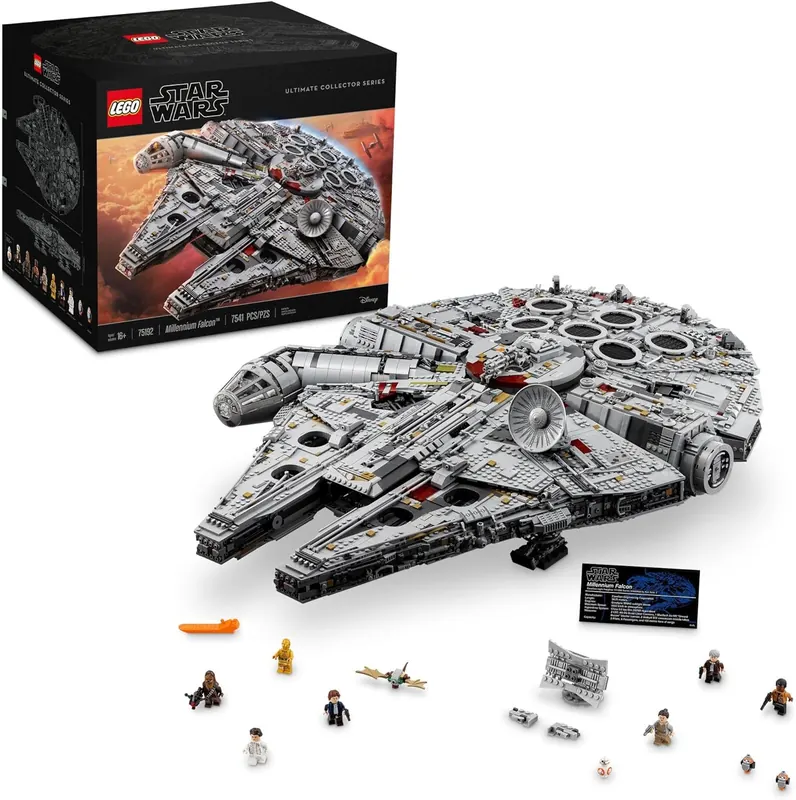 Bestseller
LEGO UCS Millennium Falcon
Affiliate links · As an Amazon Associate we earn from qualifying purchases
Ready to Create Your Own Lore Name?
Use our free Star Wars Name Generator to create authentic character names instantly. Select your species, era, and style preferences.
Explore More Guides
Quick Links:
Continue Reading
Frequently Asked Questions
Cite This Article
Reference this article in your research, blog post, or paper. Pick a citation format below.
Varr, J. (2025, December 19). Star Wars Character Names: The Complete History, Origins & Naming Conventions Guide. Star Wars Name Generator. https://starwarsnamegenerator.com/blog/star-wars-characters-naming-history